A Reliable Way to Secure Your Property
When securing a large property, choosing the right fence is essential. A chain link fence offers a practical way to establish clear boundaries, manage access, and maintain visibility across outdoor areas.
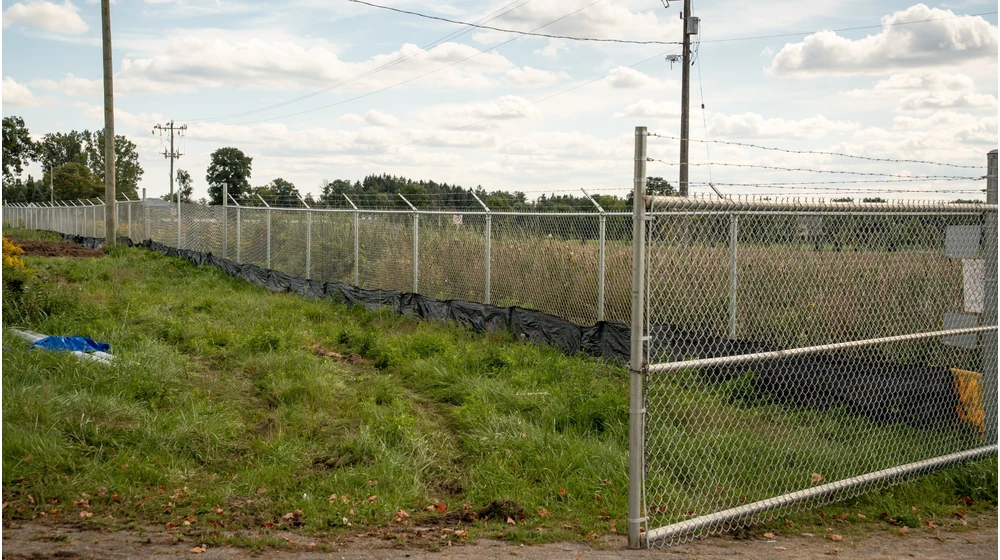
The fence featured in this image showcases galvanized chain link mesh supported by metal posts and horizontal rails. Its extended layout follows the perimeter of an open site, while the angled upper extensions and additional wire provide an added layer of perimeter security.
Whether you’re securing a commercial property, industrial facility, construction site, or large outdoor area, chain link fencing offers a versatile solution for defining boundaries without completely blocking visibility.
1. What Is a Chain Link Fence?
A chain link fence is a type of woven metal fencing made from interconnected steel wires that form a diamond-shaped mesh pattern. The mesh is attached to supporting posts and rails to create a continuous boundary around a property.
Depending on the project requirements, chain link fences are available in galvanized steel and coated finishes, with different heights, mesh sizes, and configurations.
Their open construction makes them particularly useful for properties that require clear perimeter definition while allowing air and light to pass through.
2. Key Benefits of Chain Link Fencing
Durable Construction
Galvanized chain link fencing is coated with zinc to help protect the steel from corrosion. With the appropriate material, finish, and maintenance, it can provide dependable outdoor performance.
Clear Visibility
The open mesh design allows visibility through the fence, making it suitable for sites where monitoring the surrounding area is important.
Practical for Large Areas
Chain link fencing can be installed along long property boundaries, making it a useful option for commercial facilities, industrial sites, storage areas, and construction projects.
Flexible Installation Options
Fence height, mesh specifications, post spacing, gates, and additional security features can be selected according to the property’s layout and requirements.
Straightforward Maintenance
Routine inspections and occasional cleaning can help identify damaged mesh, loose fittings, or corrosion before these issues become more significant.
3. Where Can Chain Link Fences Be Used?
Chain link fencing is suitable for a wide range of applications.
Commercial Properties: Define property boundaries around business premises, parking areas, and outdoor storage spaces.
Industrial Facilities: Establish perimeter boundaries around warehouses, equipment areas, and operational sites.
Construction Sites: Help separate active work areas from surrounding spaces and manage access when installed with suitable gates and security measures.
Schools and Sports Facilities: Enclose playgrounds, practice areas, and outdoor recreation spaces.
Residential Properties: Create practical boundaries around backyards, gardens, and larger outdoor areas.
The appropriate fence design will depend on the site’s intended use, access requirements, and applicable safety regulations.
4. Understanding the Fence Design Shown in the Image
The installation in the image demonstrates a chain link fence designed for an extended outdoor perimeter.
Galvanized Mesh: The diamond-pattern mesh creates a continuous boundary while preserving visibility.
Metal Posts and Rails: These structural components support the mesh and help maintain the fence’s alignment.
Angled Upper Extensions: The upper supports provide a mounting point for additional perimeter-security wire, where required.
Extended Perimeter Layout: The fence follows the boundary over a large area, helping separate the enclosed site from the surrounding land.
The additional upper security features shown are not necessary for every application. Their suitability depends on the property’s security needs and relevant local regulations.
5. How to Choose the Right Chain Link Fence
Before starting your fencing project, consider the following factors.
- Fence Height: Choose a height that suits the intended application and local requirements.
- Wire Gauge and Mesh Size: Select specifications appropriate for the site’s durability and security needs.
- Protective Finish: Consider galvanized steel or a suitable coated finish based on weather exposure and maintenance preferences.
- Ground Conditions: Assess soil, grading, drainage, and terrain before determining post placement.
- Gates and Access Points: Plan suitable entry points for pedestrians, vehicles, and service access.
- Security Requirements: Determine whether additional features are needed and permitted for your site.
Working with an experienced fencing contractor can help ensure the selected materials and installation approach meet your project’s requirements.
6. Maintain Your Chain Link Fence for Long-Term Performance
Regular maintenance helps preserve the fence’s condition and identify potential issues early.
- Inspect the mesh for tears, deformation, or loose connections.
- Check posts, rails, and fittings for movement or damage.
- Look for signs of corrosion, particularly around cut edges and connection points.
- Keep vegetation from putting excessive pressure on the fence.
- Inspect gates and latches to ensure they operate correctly.
- Check additional security features periodically, where installed.
The level of maintenance required will depend on the fence material, environmental conditions, and how the site is used.
7. Secure Your Perimeter with Ornate
A well-planned fence helps define your property, organize access, and support your overall site-security strategy. Chain link fencing is a practical choice for projects that require a clearly marked boundary, open visibility, and adaptable installation options.
Whether you’re fencing a commercial property, industrial facility, construction site, or residential space, Ornate can help you explore a fencing solution suited to your layout and requirements.
Planning a chain link fencing project?
Connect with Ornate to discuss your property, installation requirements, and available fencing options.